How-to
How a Local Florist Builds a Loyal Customer Base: A Small-Business Case Study
A neighbourhood flower shop rarely survives on foot traffic. What keeps customers coming back is remembered birthdays, problems sorted quickly and deliveries that turn up on time. A look at how one shop does it.
By Waleed | | Updated
The Florist as a Relationship Business
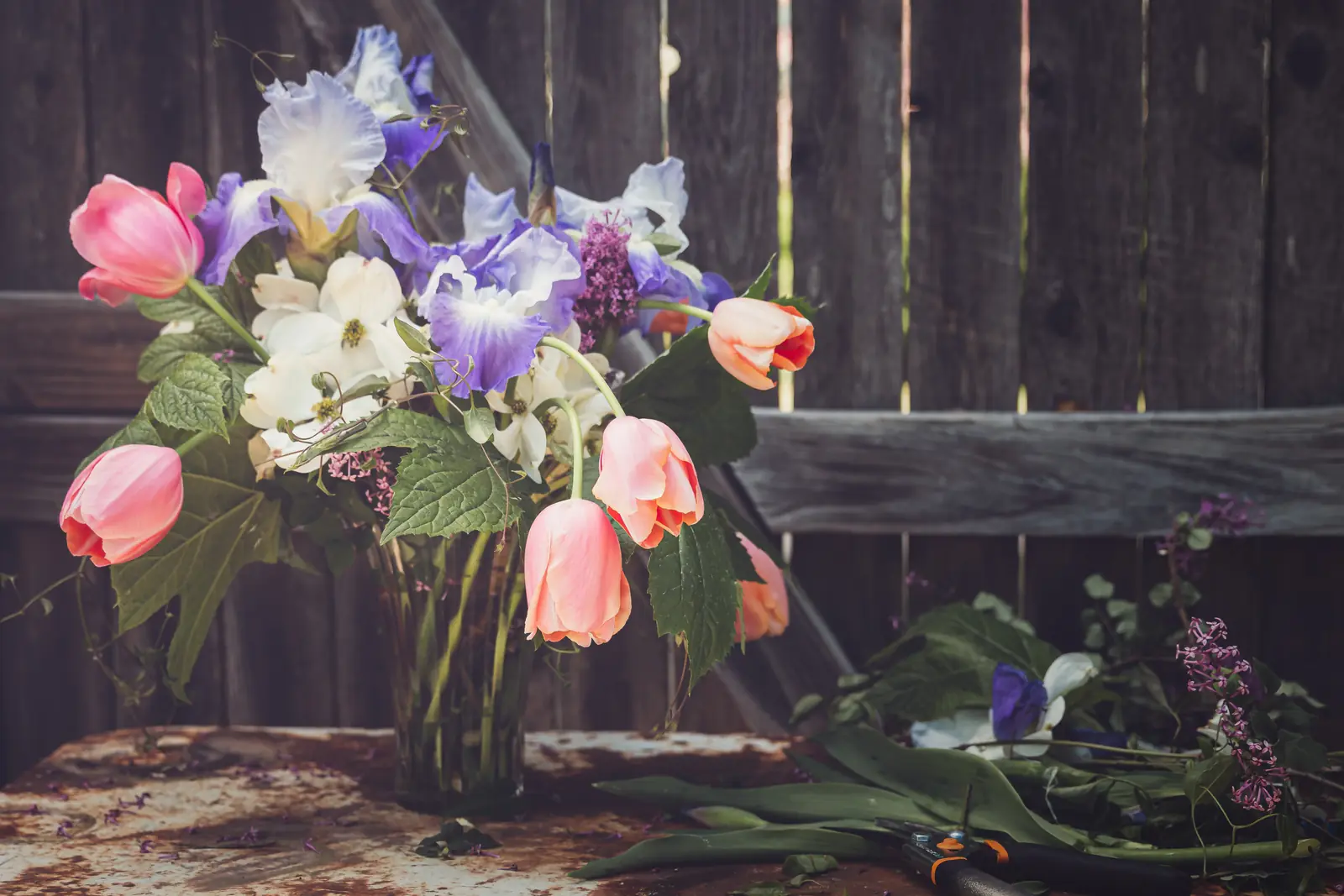
At first glance, a florist appears to sell bouquets, plants, wedding flowers, sympathy tributes, and seasonal arrangements. In practice, the product is often reassurance. Customers come in with incomplete language for what they need: “something elegant,” “not too romantic,” “cheerful but not childish,” “appropriate for a condolence visit,” or “beautiful, but I don’t know what she likes.”
The local florist who wins repeat business is the one who translates those vague requests into a confident, tasteful result. That translation is the heart of the business model. It turns a one-time purchase into a remembered experience. See also “Why Your Small Business Needs a Clear Customer Persona Before Running Ads”.
Floristry has always sat at the meeting point of craft and occasion. The broader tradition of floristry includes design, sourcing, conditioning, symbolism, and presentation. But for a small shop competing in a modern marketplace, the craft must be paired with careful marketing habits: knowing the customer, showing the work, making ordering easy, and delivering consistently.
The Middle of the Funnel: Turning Interest Into an Order
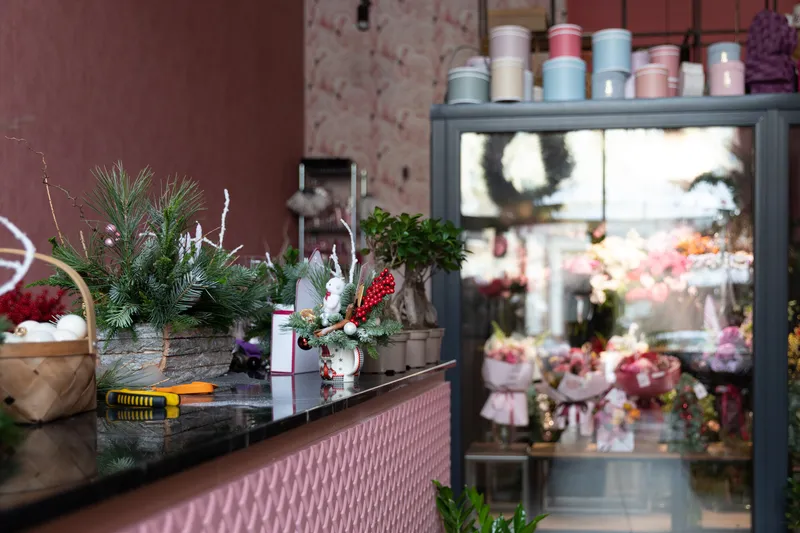
Once a potential customer is interested, friction becomes the enemy. The best florist websites do not overwhelm visitors with endless categories. They guide them gently: birthday, sympathy, romance, seasonal, corporate, wedding enquiry, plant gift, or designer’s choice.
Designer’s choice can be especially effective for independent florists because it aligns the customer’s budget and occasion with the best available flowers. It also protects design quality. Instead of forcing the shop to replicate an out-of-season image, the florist can create something fresh, appropriate, and in the shop’s own style.
A good urban example is a Vienna floral studio that tells customers straight away where it is, which districts it covers and how late you can still order for today. MO BLUMEN, for one, puts all three on its delivery page.
This kind of clarity has a marketing benefit: it reduces disappointment. A florist who under-promises and then performs well earns trust faster than one who makes every order sound effortless. Flowers are perishable, seasonal, and time-sensitive. Customers don’t expect miracles. They expect care, judgment and someone who keeps them informed.
Retention: The Quiet Systems Behind Loyalty
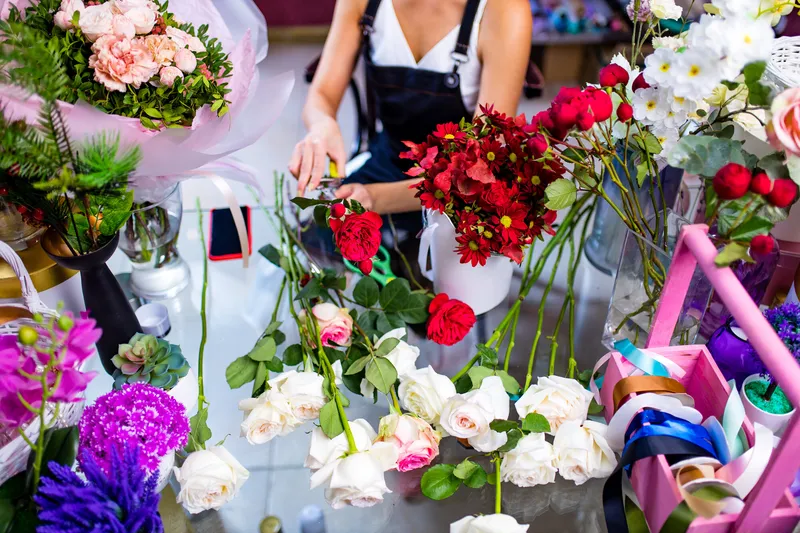
Repeat customers rarely happen by accident. Behind the warm neighborhood feeling, a successful florist usually has simple systems. These do not need to be complicated, expensive, or impersonal. They just need to help the shop remember, follow up, and serve with consistency.
A customer record might include preferred colors, allergy notes, delivery instructions, card message tone, important dates, and past purchases. A corporate client record might include vase preferences, reception desk dimensions, brand colors, and invoice requirements. You’re paying attention to customers, not watching them.
Care advice is another retention tool. Flowers last longer when customers know how to maintain them, and longer-lasting flowers reflect well on the shop. Practical guidance from sources such as the University of Minnesota Extension’s advice on keeping cut flowers fresh can support what good florists already teach: clean water, fresh cuts, cool placement, and removing foliage below the waterline.
A Practical Loyalty Framework for a Local Florist
The following framework is simple enough for a small studio, but strong enough to shape a serious retention strategy. It works because it focuses on moments that customers actually remember. If that sounds like your situation, “How to Create a Simple Marketing Plan for Your Small Business in One Afternoon” goes into the details.
- Note the occasion as well as the sale. Record whether the flowers were for a birthday, apology, new baby, condolence, dinner party, shop opening, or recurring office display.
- Confirm the essentials. Check names, delivery address, timing, card message, building access, and any flower sensitivities before the order goes into production.
- Offer guided choice. Use phrases such as “soft and seasonal,” “elegant and restrained,” or “bright and celebratory” to help customers express taste without needing floral vocabulary.
- Communicate substitutions gracefully. If a specific flower is unavailable, explain the replacement in terms of mood, color, and quality rather than apology alone.
- Make delivery feel accountable. Share realistic timing windows, confirm completion where appropriate, and contact the customer quickly if access becomes a problem.
- Follow up after meaningful orders. A short, tasteful note after a wedding consultation, sympathy order, or corporate installation can make the customer feel remembered.
- Invite the next occasion naturally. Reminders for anniversaries, holidays, and recurring office flowers should feel helpful, not aggressive.
Community Marketing: The Local Florist’s Natural Advantage
Florists have an unusual ability to appear inside other people’s spaces: restaurants, boutiques, hotels, offices, churches, galleries, homes, and event venues. Every arrangement placed well is a form of local media. It says, silently, “This shop understands the neighborhood.”
Partnerships can be powerful when they are tasteful and mutually useful. A florist might create weekly flowers for a restaurant in exchange for discreet credit, collaborate with a bakery on Mother’s Day gifting, or provide arrangements for a local bookshop event. It comes down to alignment. A premium florist should avoid partnerships that dilute the brand or create logistical strain.
Trade bodies such as the Society of American Florists also demonstrate how professional florists can think beyond single transactions, with attention to education, advocacy, operations, and industry standards. Even a small shop benefits from treating floristry as a profession rather than a seasonal retail category.
Pricing, Perception, and the Courage to Explain Value
One of the hardest marketing challenges for a florist is explaining value without sounding defensive. Customers may not see the early morning market run, the conditioning, the waste risk, the labor, the mechanics, the delivery complexity, or the trained design eye. They see the finished bouquet.
A loyal customer base becomes easier to build when the shop gently educates people. This can be done through captions, in-store conversation, product descriptions, and consultation language. Explain that seasonal flowers vary. Explain that a larger arrangement means more structure, depth and finishing work, and that it isn’t simply “more stems”. Explain care instructions because they protect the customer’s enjoyment.
Premium does not have to mean grand. It can mean proportionate, fresh, well-made, on time, and appropriate. A small bouquet that perfectly suits the recipient can create more loyalty than an oversized arrangement that feels generic.
The Real Lesson for Small Businesses
The local florist teaches a broader lesson: loyalty is built when a business combines beauty with reliability. Marketing brings the customer in, but operations bring them back. A lovely brand cannot compensate for missed deliveries, unclear policies, or careless substitutions. A reliable service, however, becomes memorable when wrapped in genuine taste.
For small businesses in any category, the florist’s model is worth studying. Know what you stand for. Make buying easy. Keep promises. Remember preferences. Communicate before the customer has to ask. Show your work honestly. Let local relationships compound over time. We went through this separately in “Seasonal Marketing Checklist: What Small Businesses Should Do Before the Holiday Rush”.
In a world of fast ordering and endless choice, the independent florist remains compelling because it offers something both old-fashioned and urgently modern: personal attention. That is the seed of loyalty, and for a small business, it is still one of the most durable advantages available.
About the writer
Waleed writes Ten Cow Notes, about marketing for very small businesses: what is cheap, what works, and what is a waste of an afternoon.
More notes
Journal
Local SEO Lessons from Independent Flower Shops
Small flower shops sell perishable goods to people in a hurry, so they live or die by local search. What other small businesses can learn from how…
Guide
A Beginner’s Guide to Turning Customer Reviews Into More Sales
Reviews help after the sale too. Used well, they show new customers that real people chose you and answer the doubts that stop them from buying.…
How-to
How to Create a Simple Marketing Plan for Your Small Business in One Afternoon
A marketing plan can fit on two pages. In one afternoon you can decide who you serve, what you want to be known for and which two or three channels…